| Intermediate Technology Education | Energy and Power Technology | Design Stage 2 | Topic 6 | Optional Activity 2 |
Wind Energy Applications
- Learn that the electricity generated by wind can be transformed into other forms of energy
- Investigate the type of electricity produced by the DC generator
Free Energy
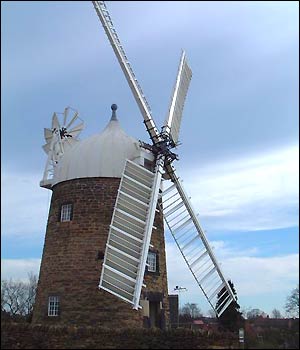
Figure. Dutch-style Windmill
Wind power devices were first used to pump water and grind grain. On farms, small water pumping wind devices are still a common sight.
The generation of DC electricity to charge storage batteries and run small DC devices such as entertainment devices and low voltage lighting is common in vacation cottages and cabins.
On a larger scale, wind energy can be used to supply a significant portion of a country's electrical needs. For example, Denmark produces about 20% of its total electricity by windpower. As of the year 2007, Germany has the most installed wind energy capacity followed by the United States. Canada in the same year ranks as 11th in the world with a capacity of over 1800 Megawatts (about one third of the total output of Churchill Falls). One percent of the world's electricity is now produced by harnessing the wind.
Wind Energy Storage
Wind can't be used as a primary source of electrical energy like running water because of its variability. Unfortunately, in some countries, generating plants that burn fossil fuels are used to make up the demand when the wind is not blowing.
New ideas are emerging to store excess electricity from wind generators and use it when the wind drops off. In Ramea, on the Southwest coast of Newfoundland and Labrador, a project is being developed to produce hydrogen gas from wind energy. This gas could be used to run a thermal generator to produce energy when needed and the byproduct is water.
In other countries, excess wind energy is used to store compressed air in underground chambers or pump water to elevated reservoirs. The air and water is then used to turn generator turbines when the wind drops off.
For More information
For more information on these topics, check out these web pages
- Wind Power
- World Wind Energy Association
- Wind Energy at Burgeo
- Wind Energy at Ramea
- Wind Energy for Newfoundland
When you are ready, go to Your Turn
 Copyright 2007 Virtual Ink Ltd. Used under license